01Occupiers
Site selection and build to suit
Labour, logistics, incentives and delivery for occupiers with a location decision.
Practice detailTwin Cities office, industrial, retail and investment. Demonstration site with sample content.
Downtown towers, North Loop creative space and suburban campuses, leased on your side of the table.

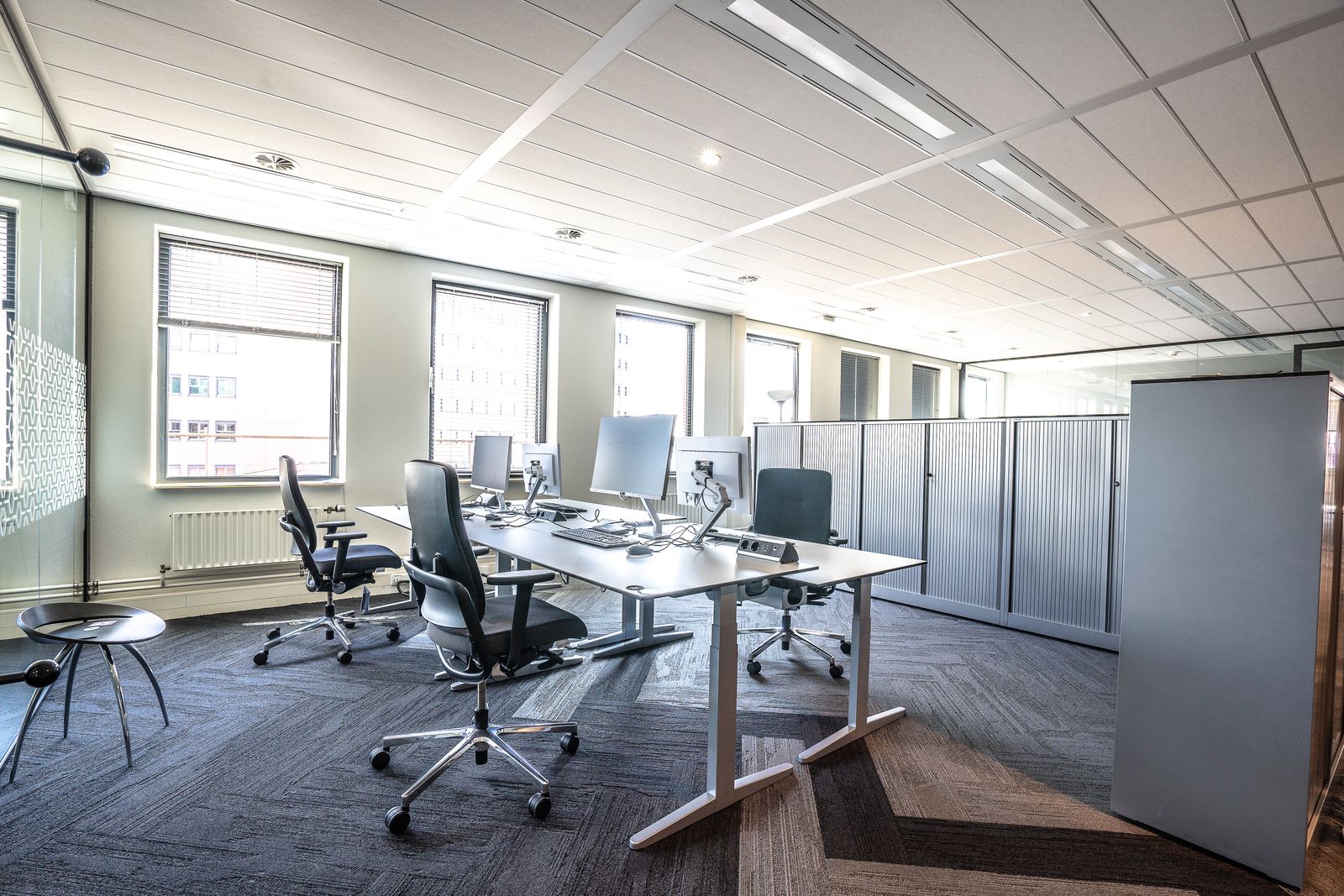


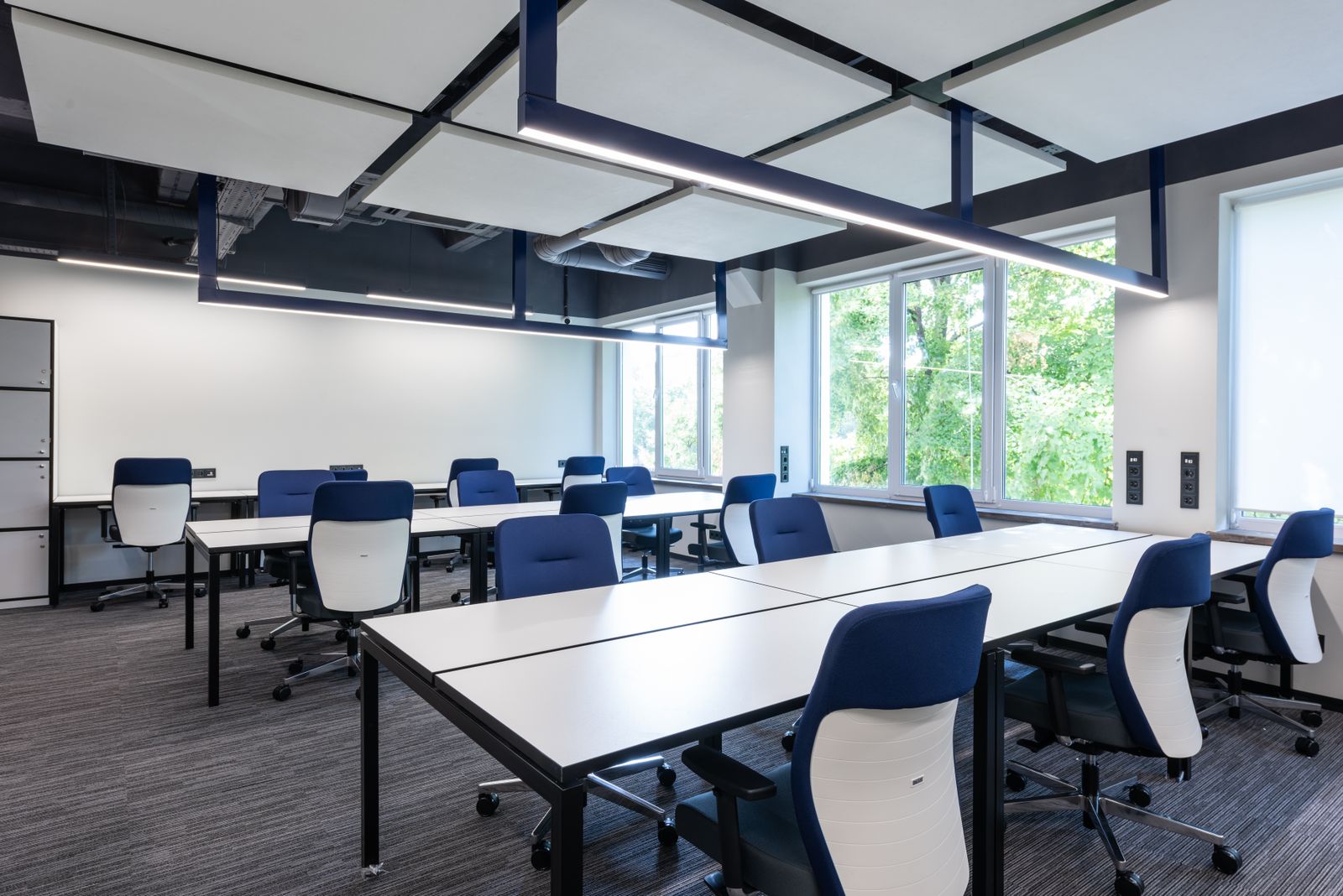
Minneapolis CBD
Distribution, light manufacturing and crossdock buildings across the airport south and northwest corridors.
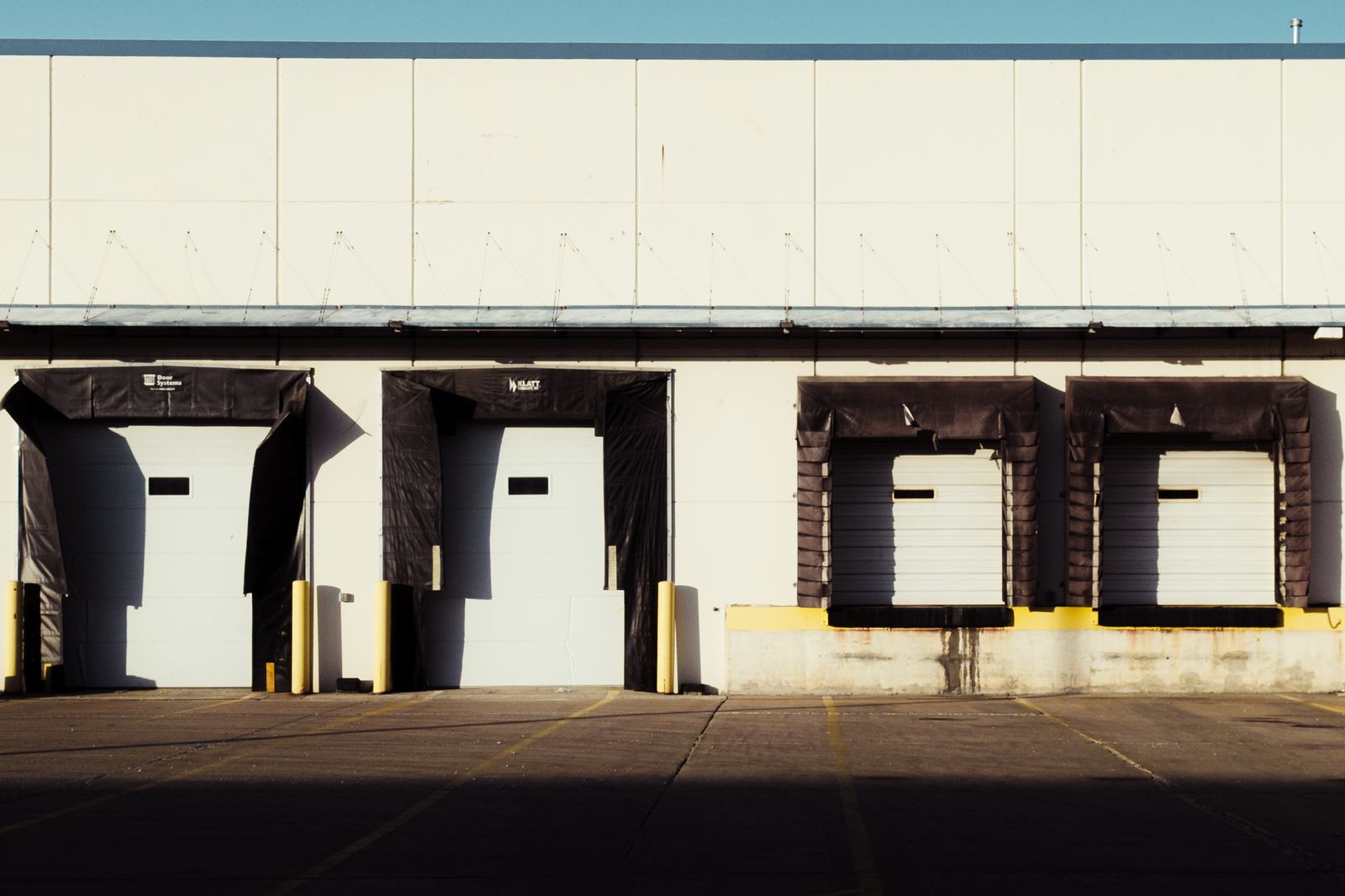
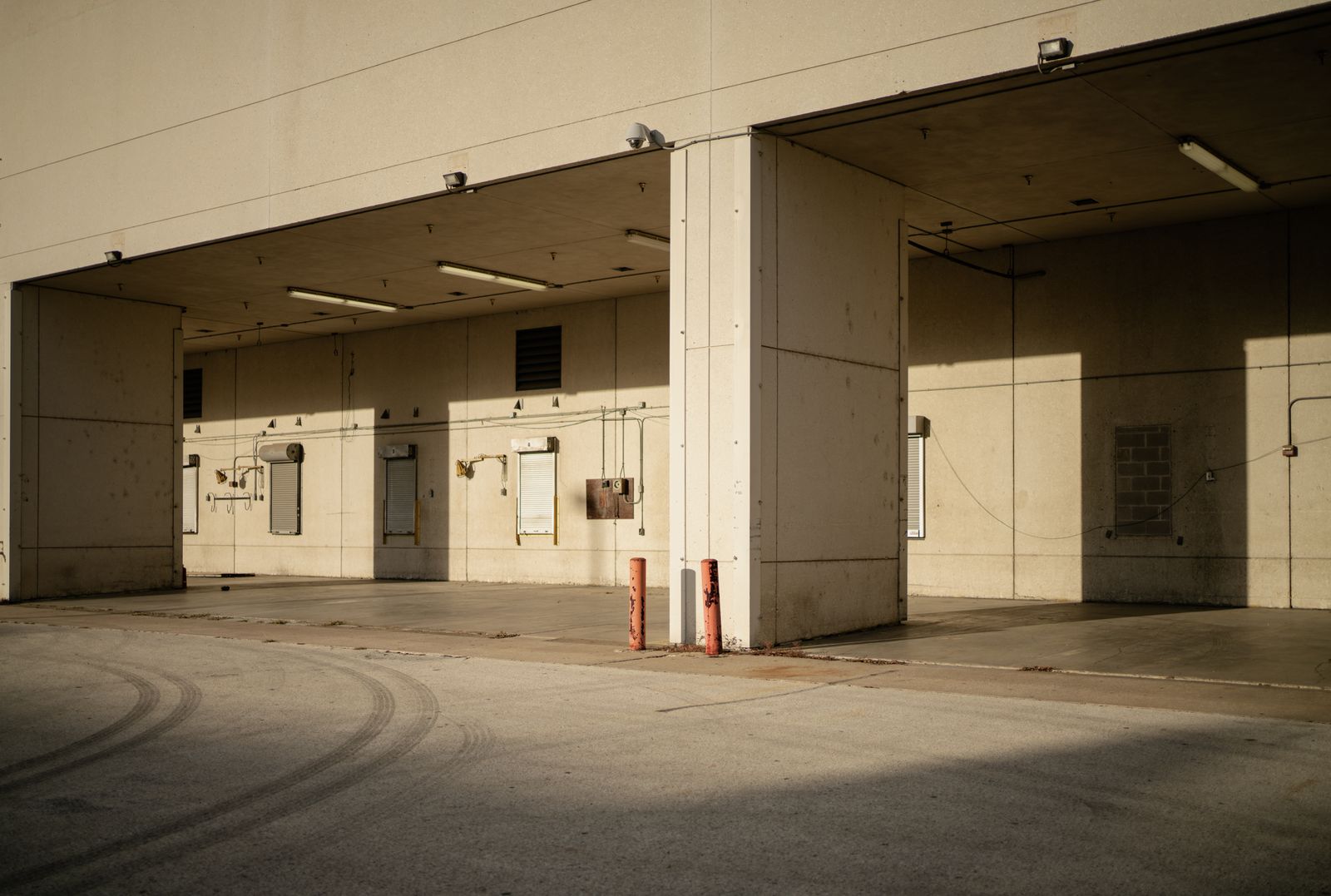

Eagan and Airport South
Endcaps, storefronts and single tenant net lease assets, priced against real Twin Cities comparables.



Retail availabilities
Six practices, one brokerage. Occupiers on one side, owners and investors on the other.






Tenant representation
MN Broker Licence #XXXXXXXX (placeholder) · Demonstration site with sample content
We represent the occupier only. We do not list the buildings we tour you through, and we do not take a landlord assignment in a submarket where we are actively representing a tenant with a live requirement.
A tenant representation assignment starts with the requirement, not with a building. Headcount today and at the end of the term, desk density, the number of enclosed rooms you actually use, parking need, technology and power load, and the date your current lease expires or your growth forces a move.
From there we build a survey of every space in the market that could work, not just the ones being marketed. That means direct availabilities, subleases, spaces coming back to the landlord at a known expiry, and buildings where a floor is quietly being held. A typical office survey in the Twin Cities runs 18 to 30 candidate spaces before the tour list gets to five.
We are compensated by the landlord out of the commission the landlord has already budgeted, which is why occupier representation costs you nothing directly. What it changes is who is arguing for the improvement allowance.
Headcount curve, enclosed room count, collaboration ratio, parking need, power and cooling load, and a usable square foot target before we look at a single building.
Direct, sublease and shadow availability across every submarket that fits the requirement, with rate, lease structure, load factor and timing normalised so the options are actually comparable.
Three to six buildings in a single day where possible, with a written debrief the same afternoon while the details are still distinguishable.
One RFP issued to every shortlisted landlord at the same time, then two to four rounds of counters on rate, term, allowance, free rent, escalations, options and restoration.
Every proposal reduced to a net effective rate and a total obligation over the term, so a high allowance and a high rate can be compared against a low allowance and a low rate.
We coordinate with your attorney through lease negotiation, then with the architect and contractor through permit, build-out and handover.
Two to four weeks. Programme, budget, timing and the decision makers.
Three to six weeks. Written survey, then a tour day and a debrief.
Two to three weeks. Simultaneous RFP to the shortlist, first counters back.
Three to six weeks. Economic terms, then the letter of intent.
Six to ten weeks. Lease negotiation runs in parallel with test fits and pricing.
Twelve to twenty weeks depending on permit and scope.
More across the whole firm on the questions page.
The commission is budgeted by the landlord whether or not you bring an advisor; if you do not, the listing broker keeps both halves. Our fee is a fixed percentage set in the listing agreement before we appear, so it does not rise with the rent we agree. Where a landlord proposes a structure that would change that, we disclose it in writing and you decide.
Renewals are where occupiers lose the most money, because the landlord knows relocation is expensive and slow. The leverage in a renewal comes from a credible alternative, which means running a real search in parallel. We have taken renewals down by three to five dollars per square foot simply by producing a signed letter of intent elsewhere.
Twelve to eighteen months before expiry for anything over 10,000 square feet. Under that, nine months is usually enough. Industrial requirements with a build-out need longer, and build to suit needs two years.
The average annual rent over the term after subtracting free rent and the improvement allowance and accounting for escalations, expressed per rentable square foot. It is the only fair way to compare a proposal at 24.00 with eight months free against one at 21.50 with none.
Labour, logistics, incentives and delivery for occupiers with a location decision.
Practice detailBroker opinions of value, market studies and quarterly submarket fundamentals.
Practice detailSize, timing, the constraint you cannot move. We will say honestly whether we are the right firm for it.
We value your privacy
We use cookies to run this site, remember your preferences and understand how it is used.Cookie policy